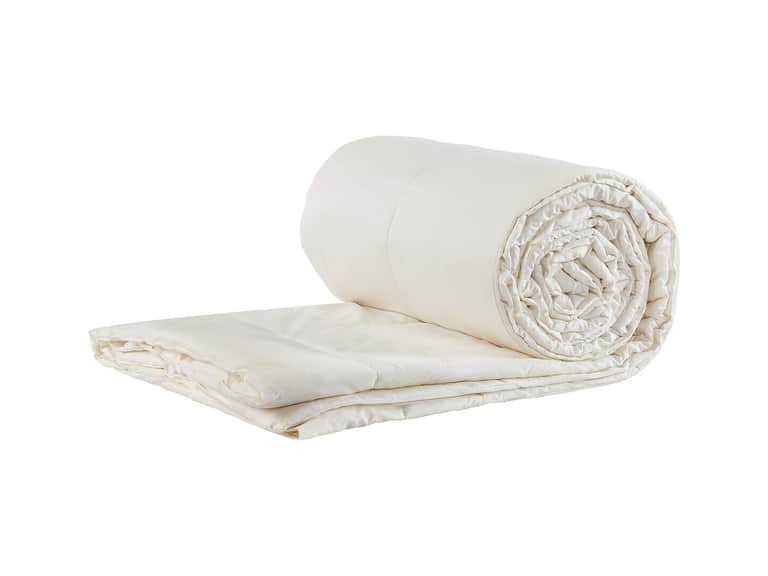
Wool comforters offer natural insulation and temperature regulation, leveraging the unique properties of wool fibers to maintain warmth without harsh overheating. The fibers wick moisture, reduce humidity, and provide breathability, making them suitable for varied climates and sleep preferences. This category highlights materials, construction, and care considerations for informed bedding choices.
Key features to understand include fill weight, loft, and fabric outer shells, which influence warmth, durability, and texture. Wool is resilient, tends to resist compression over time, and often requires less frequent flipping compared with synthetic fillings. Understanding these characteristics helps evaluate comfort levels and long-term performance in bedding systems.
Within the Sleep and Beyond and myComforter lines, products integrate high-quality wool with thoughtful design. Look for certifications, weave styles, and edge stitching that contribute to even loft and reduced fiber migration. Functional benefits include temperature stability, reduced night sweats, and a softer, natural feel suited to sensitive skin.
Care considerations for wool comforters typically involve gentle washing or spot cleaning, ensuring proper drying to avoid fiber fatigue. Many wool options are naturally moisture-wicking and odor-resistant, supporting hygiene and longevity. Proper care extends the comfort and resilience of the duvet, maintaining its insulating properties over multiple seasons.
Incorporating keywords such as bedding, pillows, sheets, duvet covers, and organic mattresses helps connect wool comforters to broader sleep textures and ecosystems. The emphasis remains on educational guidance: selecting appropriate warmth levels, understanding fiber benefits, and aligning with personal comfort needs for a healthy, restorative sleep environment.
 Bedding